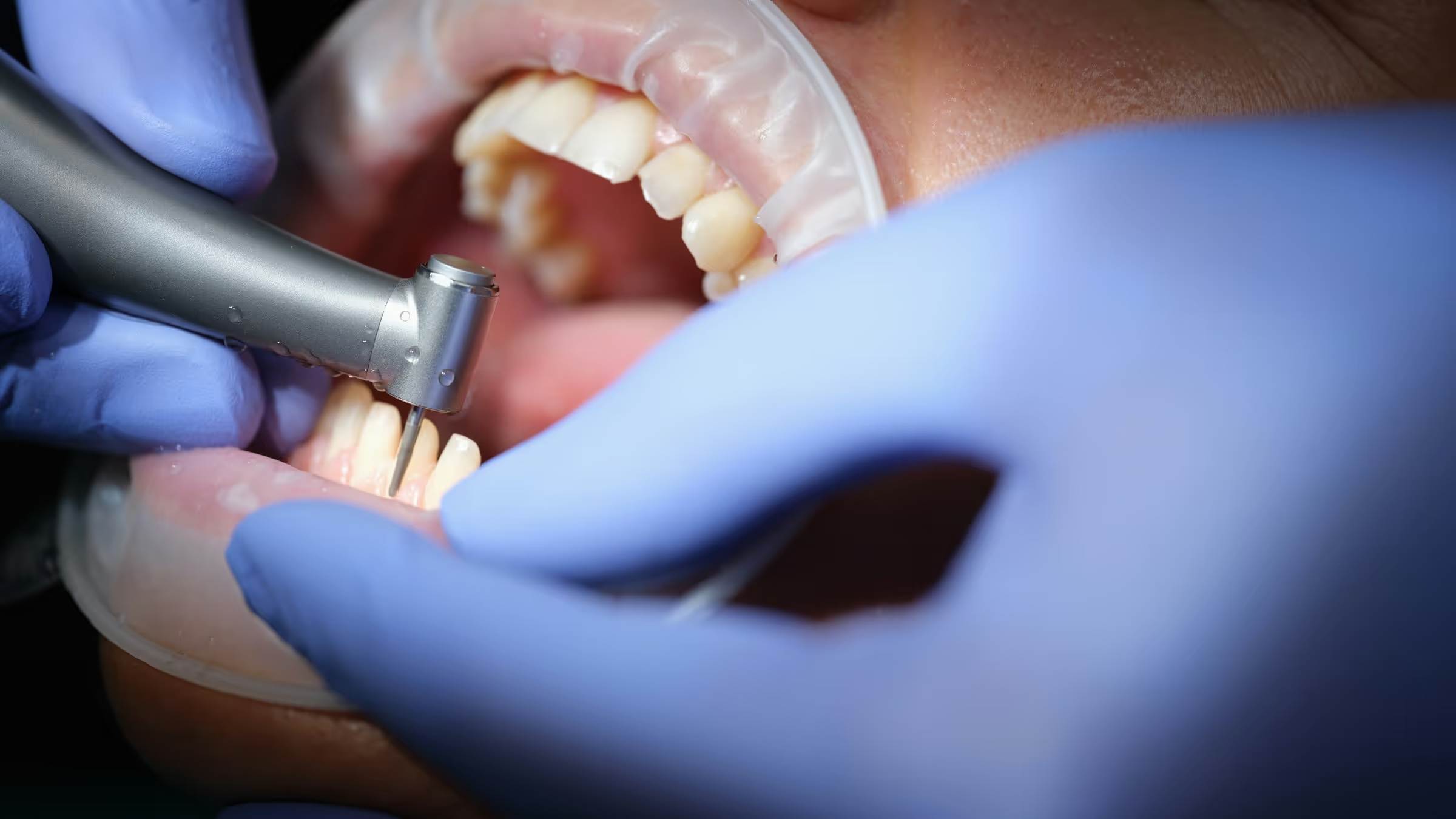
What is Restorative Dentistry?
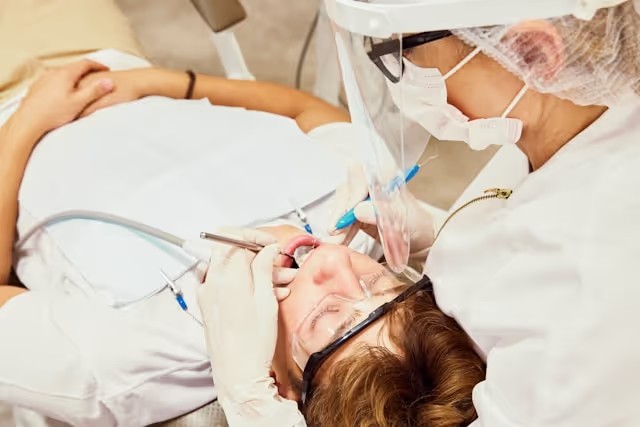
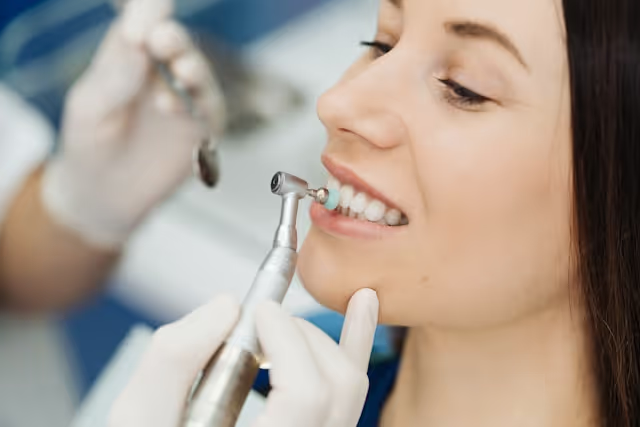
Restorative dentistry is a branch of dental practice focused on diagnosing, preventing, and treating oral diseases and restoring damaged teeth to their healthy, functional, and aesthetically pleasing state. Unlike cosmetic dentistry, which primarily targets the appearance of your teeth, restorative dentistry emphasizes restoring the structure and function of your oral cavity. It ensures that your teeth not only look good but also work correctly, enabling you to eat, speak, and smile with confidence.
Common Restorative Procedures
Restorative dentistry encompasses a wide range of procedures tailored to address various dental issues. Here are some of the most common restorative treatments:
1. Dental Fillings
Dental fillings are among the most common restorative procedures. They are used to treat cavities caused by tooth decay. During a filling procedure, the dentist removes the decayed portion of the tooth and fills the space with materials like amalgam, composite resin, gold, or porcelain.
2. Crowns and Bridges
- Dental Crowns: Also known as caps, crowns cover the entire visible portion of a tooth. They are used to strengthen a tooth that has been significantly damaged by decay, trauma, or to hold a dental implant in place.
- Dental Bridges: Bridges replace one or more missing teeth by anchoring artificial teeth (pontics) to adjacent natural teeth or implants, restoring both function and aesthetics.
3. Dental Implants
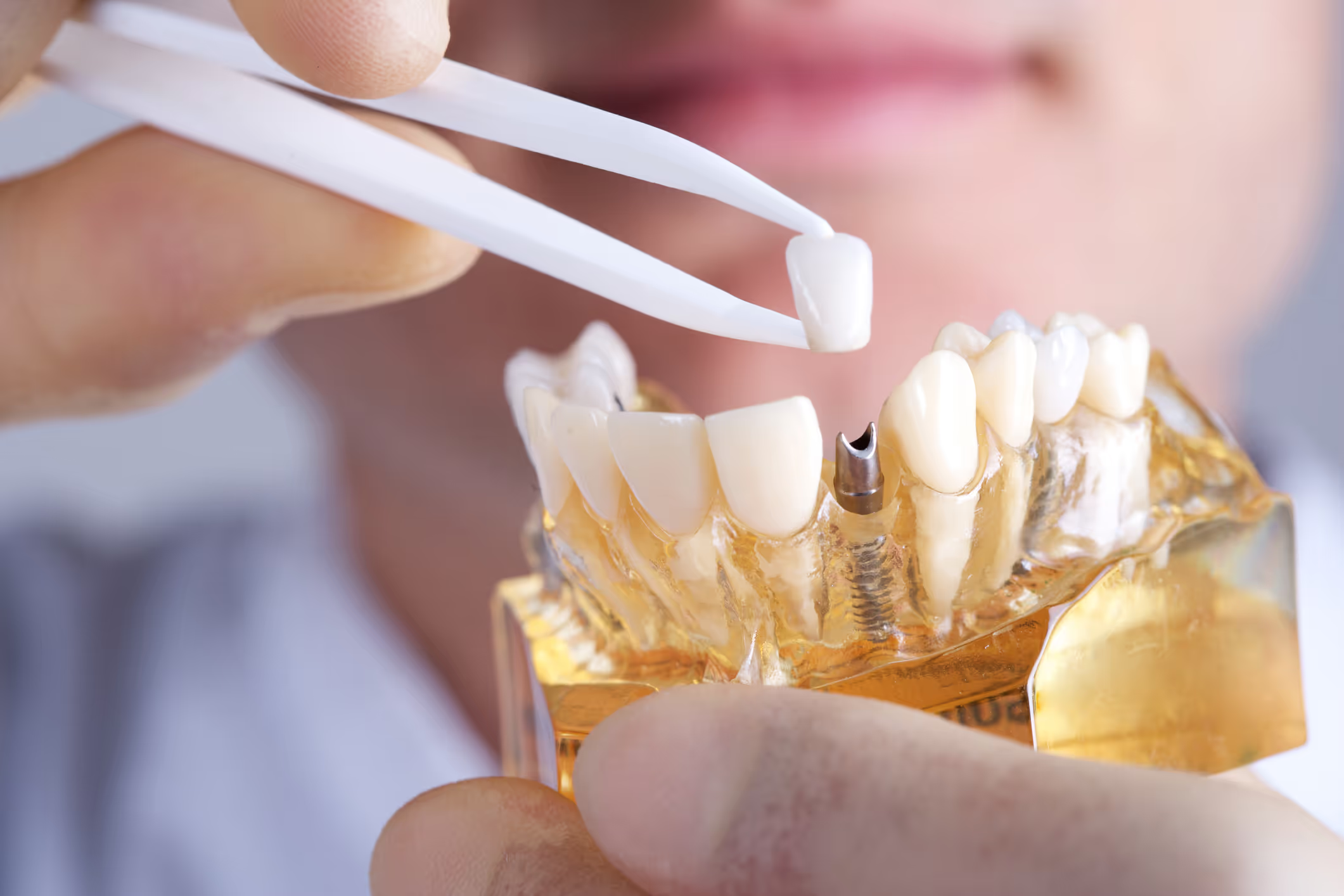
Dental implants are a long-term solution for replacing missing teeth. They consist of a titanium post surgically placed into the jawbone, serving as a sturdy foundation for attaching crowns, bridges, or dentures. Implants not only restore the appearance of your smile but also maintain jawbone health by preventing bone loss.
4. Dentures
Dentures are removable appliances that replace missing teeth and surrounding tissues. They can be full or partial, depending on the number of missing teeth. Modern dentures are designed for comfort, stability, and a natural appearance, enhancing both function and self-esteem.
5. Root Canal Therapy
When the pulp of a tooth becomes infected or inflamed due to deep decay or trauma, root canal therapy is necessary. This procedure involves removing the infected pulp, cleaning and disinfecting the root canals, and sealing them to prevent reinfection. A crown is usually placed afterward to restore the tooth’s strength and function.
6. Inlays and Onlays
Inlays and onlays are custom-made restorations used when the damage to a tooth is too extensive for a filling but not severe enough to require a crown. Inlays fit within the grooves of the tooth, while onlays cover one or more cusps. These options preserve more of the natural tooth structure compared to traditional fillings.
Advances in Restorative Dentistry
Restorative dentistry has witnessed significant advancements, enhancing the quality and longevity of dental restorations. Here are some noteworthy innovations:
1. Digital Dentistry: CAD/CAM and 3D Imaging
Computer-Aided Design/Computer-Aided Manufacturing (CAD/CAM) technology allows dentists to design and fabricate precise restorations in-office, often in a single visit. 3D imaging provides detailed views of your oral structures, enabling accurate diagnosis and treatment planning.
2. Minimally Invasive Techniques
Modern restorative procedures aim to preserve as much of the natural tooth structure as possible. Techniques such as air abrasion and laser dentistry reduce the need for extensive drilling, leading to less discomfort and faster healing times.
3. Advanced Materials: Composites and Ceramics
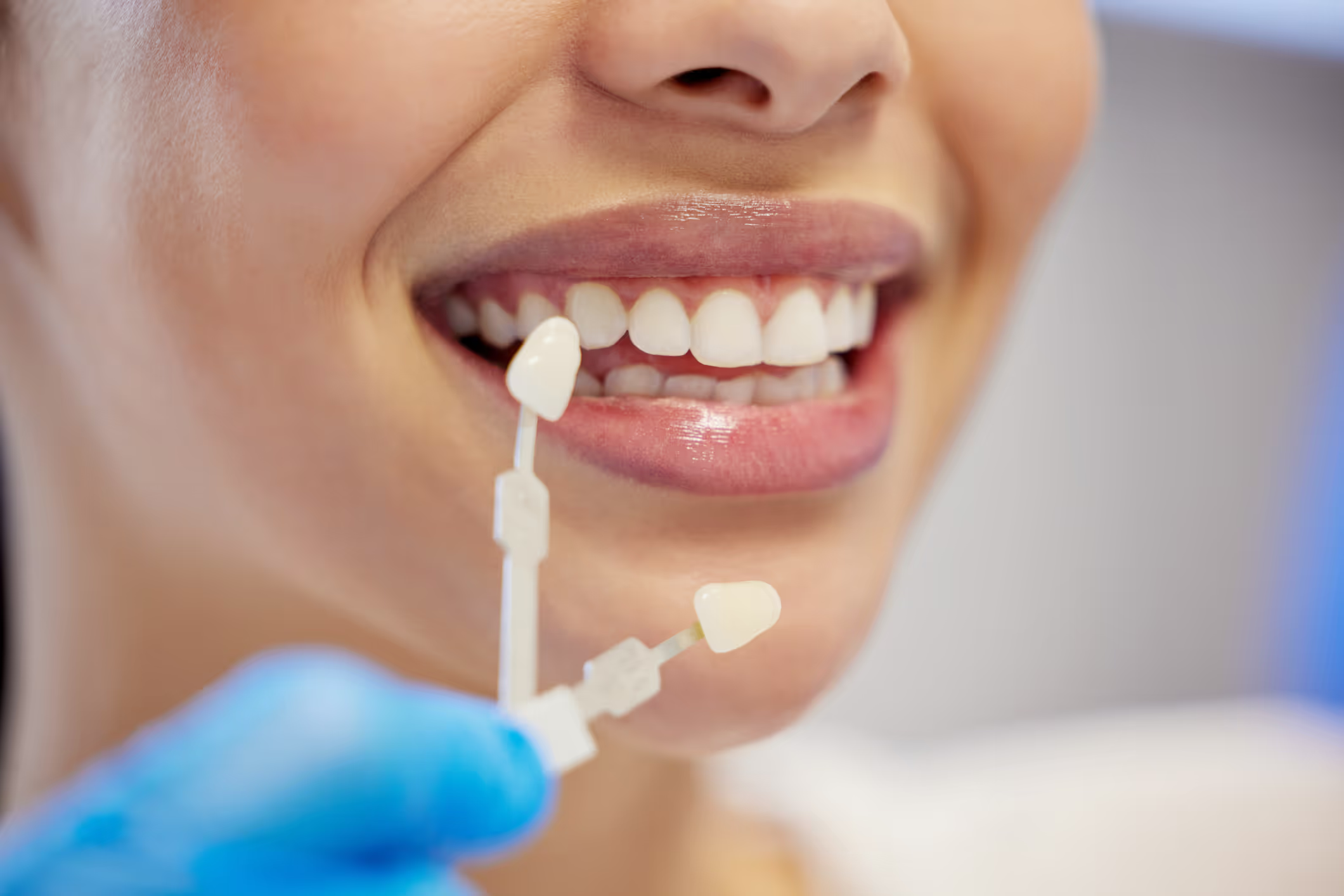
New materials, including high-strength composite resins and ceramics, offer superior aesthetics and durability. These materials closely mimic the natural appearance of teeth, providing seamless and long-lasting restorations.
Benefits of Restorative Dentistry
Investing in restorative dentistry offers numerous benefits beyond a beautiful smile:
- Improved Oral Function: Restorations restore the ability to chew, speak, and perform daily oral functions without discomfort.
- Enhanced Aesthetics: Repaired and replaced teeth contribute to a natural and attractive smile, boosting self-esteem and confidence.
- Prevention of Further Dental Issues: Addressing dental problems promptly prevents the progression of decay, gum disease, and other oral health issues.
- Preservation of Jawbone Health: Restorations like dental implants maintain jawbone density, preventing bone loss and facial sagging associated with missing teeth.
The Restorative Dentistry Process
Understanding the restorative dentistry process can help alleviate any apprehensions you might have and prepare you for what to expect:
1. Initial Consultation and Assessment
Your journey begins with a comprehensive dental examination, which may include X-rays and 3D imaging. The dentist assesses the extent of damage, identifies underlying issues, and discusses your dental history and aesthetic goals.
2. Treatment Planning
Based on the assessment, a personalized treatment plan is developed. This plan outlines the recommended procedures, timeline, costs, and expected outcomes, ensuring you’re fully informed every step of the way.
3. Procedures Involved
The specific restorative procedures will depend on your individual needs. For example, treating a cavity may involve a filling, while restoring a severely damaged tooth might require a crown or root canal therapy.
4. Aftercare and Maintenance
Post-procedure care is crucial for the longevity of your restorations. Your dentist will provide guidelines on maintaining oral hygiene, scheduling follow-up appointments, and any additional care instructions to ensure optimal results.
Choosing the Right Restorative Treatment
Selecting the appropriate restorative treatment involves several factors:
- Extent of Damage: The severity of tooth decay or damage dictates the type of restoration needed.
- Aesthetic Preferences: Choices between materials like porcelain and composite resin can affect the appearance of the restoration.
- Budget Considerations: Different procedures and materials vary in cost, so discussing your budget with your dentist is essential.
- Long-Term Goals: Considering the longevity and durability of restorations ensures sustained oral health and aesthetics over time.
Collaborative decision-making between you and your dentist ensures that the chosen treatment aligns with your health needs and personal preferences.
Maintaining Your Restored Smile
Once you’ve undergone restorative treatments, maintaining your enhanced smile requires ongoing care:
- Oral Hygiene Practices: Brush at least twice daily with fluoride toothpaste, floss regularly, and use antimicrobial mouthwash to keep your mouth clean and free from plaque.
- Regular Dental Check-Ups: Visit your dentist every six months for professional cleanings and examinations to monitor the health of your restorations and oral cavity.
- Lifestyle Considerations: Avoid habits like nail-biting, teeth grinding, and excessive consumption of sugary foods to protect your restorations and natural teeth.
Conclusion
Restorative dentistry plays a pivotal role in maintaining and enhancing your oral health and smile. From simple fillings to advanced dental implants, restorative procedures offer solutions tailored to your unique needs, ensuring that your teeth function properly and look their best. Embracing restorative dentistry not only improves your dental health but also contributes to your overall quality of life, boosting confidence and well-being.
At our dental office, we are committed to providing comprehensive restorative treatments using the latest technologies and materials. If you’re experiencing dental issues or simply want to enhance your smile, don’t hesitate to reach out. Contact us today to schedule a consultation and take the first step toward a healthier, more radiant smile!
Ready for Restorative Dentistry?
Schedule online or call us at 619-574-0205.