What is Periodontal Disease?
Periodontal disease, commonly known as gum disease, is an inflammatory condition affecting the tissues surrounding and supporting the teeth. If left untreated, it can lead to tooth loss and has been linked to several systemic health issues, including heart disease, diabetes, and respiratory infections.
Types of Periodontal Disease
- Gingivitis: The earliest stage, characterized by red, swollen gums that may bleed during brushing or flossing. It’s reversible with proper oral hygiene.
- Periodontitis: An advanced form where the gums pull away from the teeth, forming pockets that become infected. The body begins to break down the bone and connective tissue that hold teeth in place.
- Advanced Periodontitis: Significant bone loss occurs, leading to loose teeth, potential tooth loss, and a compromised jaw structure.
Causes and Risk Factors
Understanding the causes helps in prevention and management. The primary factors contributing to periodontal disease include:
- Plaque Buildup: A sticky film of bacteria that forms on teeth, producing toxins that irritate the gums.
- Poor Oral Hygiene: Inadequate brushing and flossing allow plaque and tartar to accumulate.
- Smoking and Tobacco Use: Impairs blood flow to the gums, making them more susceptible to infections.
- Genetic Predisposition: Family history can increase susceptibility.
- Chronic Diseases: Conditions like diabetes affect the body’s ability to fight infections.
- Medications: Certain drugs can reduce saliva flow or cause abnormal gum growth.
- Hormonal Changes: Particularly in women, hormonal fluctuations can make gums more sensitive.
Signs and Symptoms to Watch For
Early detection is crucial for effective treatment. Be vigilant for:
- Red, Swollen, or Bleeding Gums
- Persistent Bad Breath or Bad Taste
- Receding Gums or Longer Looking Teeth
- Loose or Shifting Teeth
- Painful Chewing or Biting
- Formation of Pockets Between Teeth and Gums
Diagnosing Periodontal Disease
A thorough dental examination involving:
- Clinical Assessment: Checking for red, swollen, or bleeding gums.
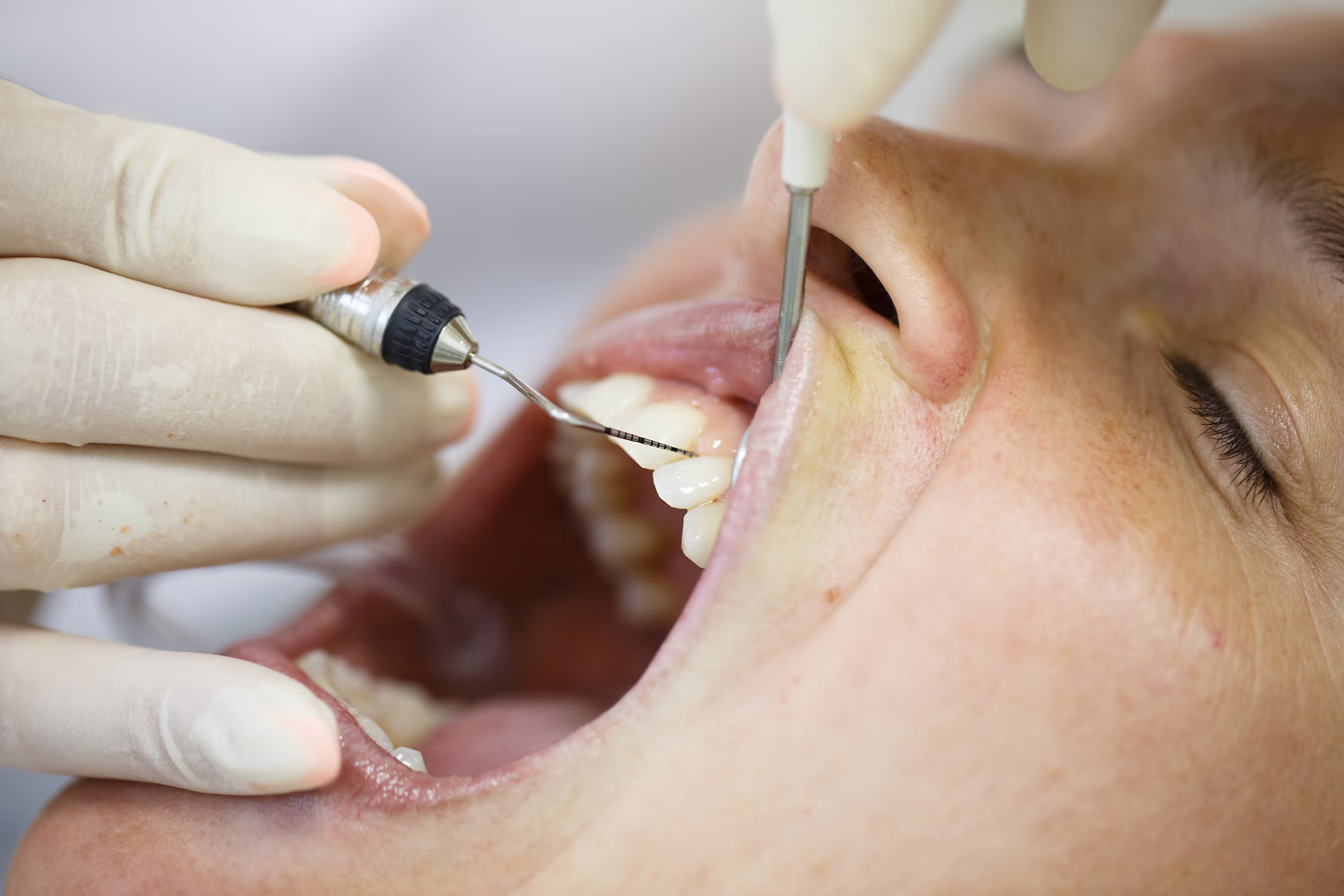
- Pocket Depth Measurement: Using a probe to measure the depth between the tooth and gum.
- Dental X-Rays: To assess bone loss and detect hidden structures.
- Systemic Evaluation: Considering overall health and related conditions.
Comprehensive Periodontal Treatments
Effective management of periodontal disease often involves multiple treatment modalities tailored to the disease's severity.
1. Non-Surgical Treatments
A. Scaling and Root Planing (Deep Cleaning)
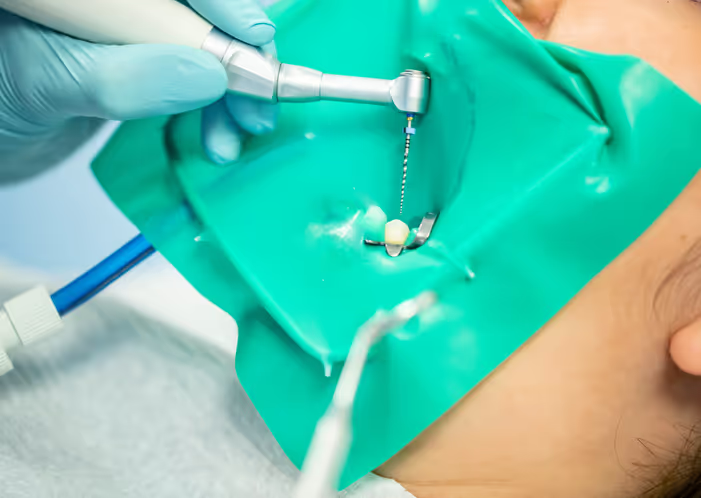
Scaling removes plaque and tartar from above and below the gumline. Root planing smoothens the tooth root to remove bacterial toxins, promoting healing and reattachment of the gums to the teeth.
Process:
- Local anesthesia is administered.
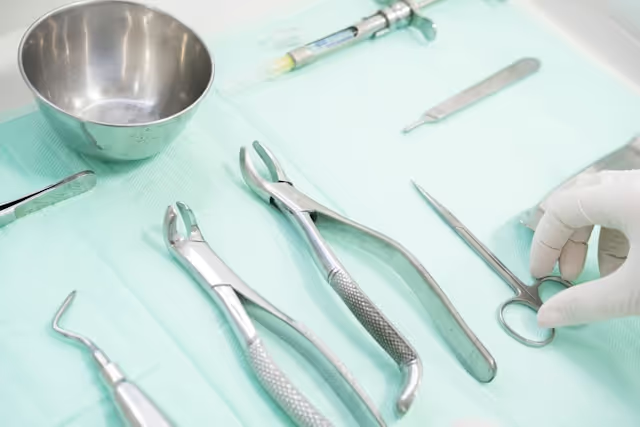
- Dental instruments or ultrasonic devices are used to clean the tooth surfaces.
- Root surfaces are meticulously planed to eliminate rough areas.
Benefits:
- Reduces pocket depths.
- Controls bacterial growth.
- Prevents further bone loss.
B. Antibiotic Therapy
In cases where infections are severe, antibiotics may be prescribed alongside mechanical cleaning to eliminate bacteria.
Types:
- Topical Antibiotics: Applied directly to the gums.
- Systemic Antibiotics: Oral medications targeting the entire body.
2. Surgical Treatments
When non-surgical methods are insufficient, surgical interventions become necessary to restore periodontal health.
A. Flap Surgery (Pocket Reduction Surgery)
Involves lifting the gums away from the teeth to remove tartar and repair bone.
Procedure:
- Gums are lifted back, and tartar is meticulously removed.
- Any damaged bone is repaired or reshaped.
- Gums are sutured back to fit snugly around the tooth.
Advantages:
- Reduces pocket depth.
- Enhances access for cleaning.
- Promotes gum reattachment.
B. Bone and Tissue Grafts
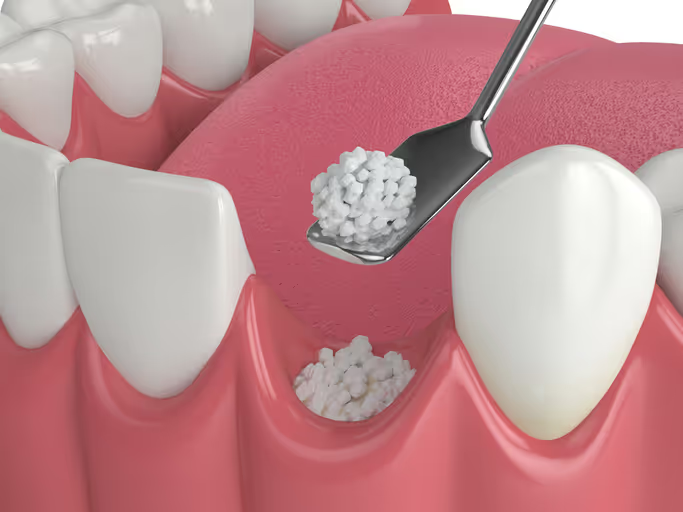
Bone Grafts are used to regenerate lost bone, while Soft Tissue Grafts bolster tender gum tissues.
Indications:
- Severe bone loss around teeth.
- Recession of gums exposing tooth roots.
Materials Used:
- Autografts (from patient's body).
- Allografts (donor tissue).
- Synthetic substances.
Outcomes:
- Strengthened bone structure.
- Improved support for teeth.
- Enhanced aesthetic appearance.
C. Guided Tissue Regeneration
Encourages regrowth of bone and tissue lost to periodontal disease by using barrier membranes.
How It Works:
- A membrane is placed between bone and gum tissue.
- Prevents unwanted tissue from filling the area, allowing bone and connective tissue to regenerate.
Benefits:
- Promotes selective tissue regeneration.
- Enhances structural support for teeth.
3. Advanced Treatments
A. Laser Therapy
Utilizes precise laser technology to remove diseased tissue and bacteria without damaging surrounding healthy tissue.
Advantages:
- Minimally invasive with reduced bleeding and discomfort.
- Shorter healing times.
- Precise treatment targeting.
B. Osseous Surgery
Focuses on correcting defects in the bone, smoothing rough areas, and removing bacteria to restore bone contours.
Procedure Includes:
- Reshaping bone around teeth.
- Removing irregular bone or granulation tissue.
- Ensuring bone provides a stable foundation for gum reattachment.
The Role of Periodontal Maintenance
Post-treatment, periodontal maintenance is critical to sustaining oral health. It involves regular check-ups and cleanings every 3-4 months to monitor gum health, prevent recurrence, and manage any ongoing issues.
Components of Maintenance:
- Professional Cleanings: Removal of plaque and tartar build-up.
- Monitoring Gum Health: Assessing pocket depths and gum attachment.
- Education on Oral Hygiene: Reinforcing effective brushing and flossing techniques.
- Lifestyle Counseling: Addressing factors like smoking cessation and dietary adjustments.
Impact on Overall Health
Periodontal health is closely linked to overall well-being. Here’s how:
- Cardiovascular Health: Inflammation from gum disease can contribute to heart problems.
- Diabetes Management: Gum disease can make blood sugar control more challenging.
- Respiratory Health: Bacteria from the mouth can be inhaled into the lungs, leading to infections.
- Pregnancy Complications: Linked to preterm birth and low birth weight.
Maintaining periodontal health is not just about your smile—it's a significant component of your holistic health.
Preventive Measures: Keeping Gum Disease at Bay
Prevention is always better than cure. Implement these strategies to maintain healthy gums:
- Consistent Oral Hygiene:
- Brush at least twice daily with fluoride toothpaste.
- Floss daily to remove plaque between teeth and below the gumline.
- Regular Dental Visits:
- Schedule check-ups and cleanings every 6 months or as recommended.
- Healthy Diet:
- Limit sugary and acidic foods that contribute to plaque build-up.
- Incorporate fruits, vegetables, and foods rich in calcium and vitamin C.
- Quit Smoking:
- Reduces risk of gum disease and accelerates its progression.
- Manage Chronic Conditions:
- Keep conditions like diabetes under control to improve immune response.
- Use of Antimicrobial Mouthwashes:
- Helps reduce bacteria and control plaque build-up.
- Protective Gear During Sports:
- Prevents dental injuries that can impact gum health.
Innovations in Periodontal Treatments
The field of periodontology is rapidly advancing, incorporating cutting-edge technologies to enhance treatment efficacy and patient comfort.
A. 3D Imaging and CAD/CAM Technology
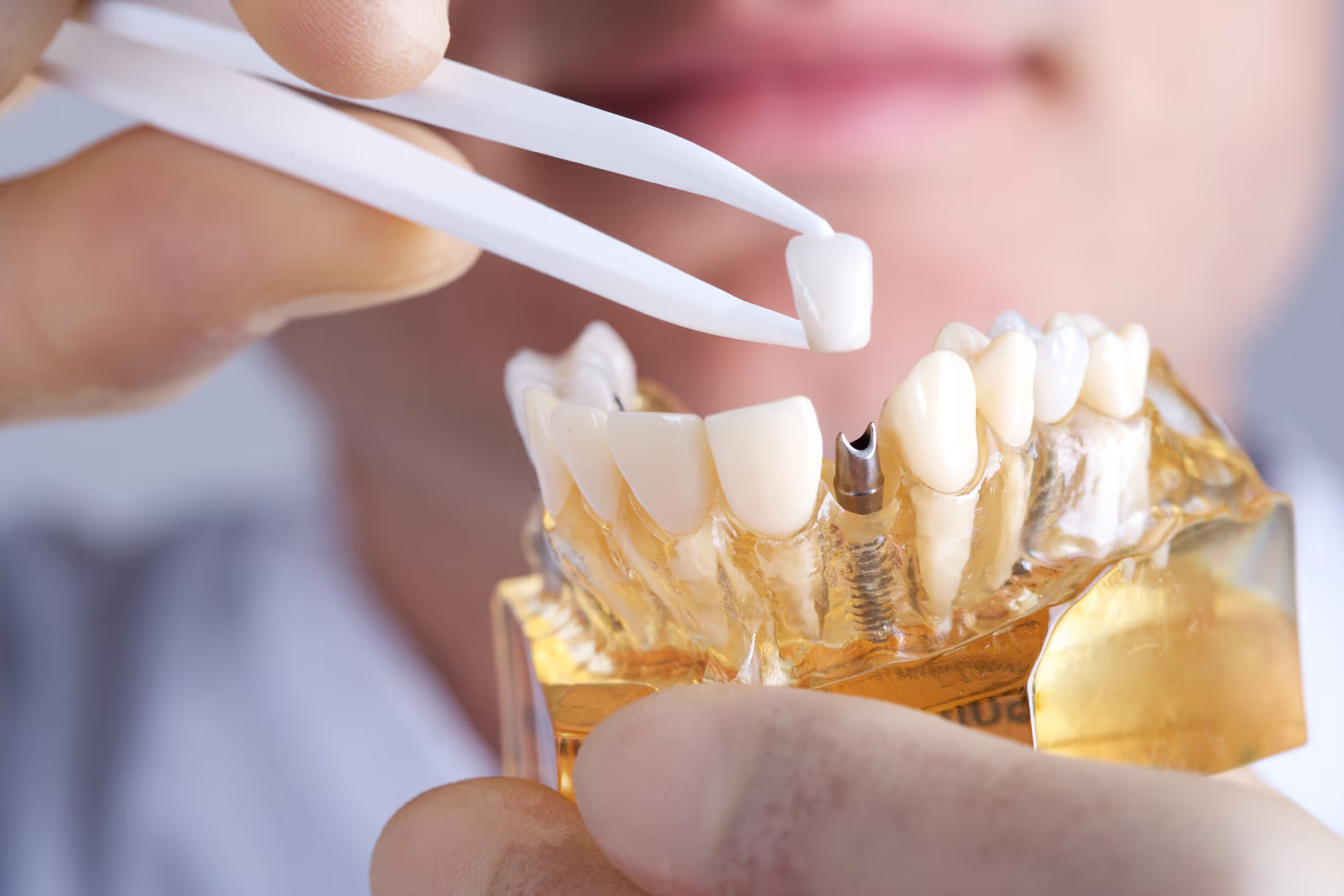
Enables precise diagnostics and customized treatment plans, facilitating better-fitting dental restorations and implants.
B. Regenerative Therapies
Utilizing growth factors and stem cell therapy to promote tissue regeneration and healing.
C. Tele-dentistry
Allows for remote monitoring of periodontal health, providing timely interventions and consultations.
D. Artificial Intelligence in Diagnosis
AI algorithms assist in early detection of periodontal disease through detailed analysis of dental images and patient data.
Patient-Centric Care: What to Expect
Understanding the treatment journey can alleviate anxiety and foster collaboration between patients and dental professionals.
Your Initial Visit
- Comprehensive dental examination.
- Discussion of medical history and lifestyle factors.
- Diagnostic tests, including X-rays and pocket depth measurements.
Developing a Treatment Plan
- Personalized approach based on disease severity and patient needs.
- Discussion of options, benefits, risks, and costs.
- Setting realistic goals and timelines.
Undergoing Treatment
- Preparation with anesthesia and comfort measures.
- Step-by-step execution of chosen therapies.
- Post-treatment care instructions to ensure optimal healing.
Recovery and Follow-Up
- Monitoring progress through scheduled appointments.
- Addressing any concerns or complications.
- Reinforcing preventive habits for sustained oral health.
Conclusion: Investing in Your Oral and Overall Health
Periodontal treatments play a critical role in preserving your dental health and enhancing your quality of life. By understanding the causes, recognizing the symptoms, and seeking prompt treatment, you can maintain a healthy smile and contribute to your overall well-being.
At our office, we are committed to providing comprehensive periodontal care tailored to your unique needs. Our experienced team utilizes the latest technologies and approaches to ensure the best outcomes for your oral health journey.
Take the Next Step
Don’t wait until gum disease escalates. Schedule a consultation with us today to assess your periodontal health and explore the best treatment options to keep your smile vibrant and healthy for years to come.
Ready for Periodontal Treatments?
Schedule online or call us at 619-574-0205.