In the realm of dental health, screenings typically focus on cavities, gum disease, and overall oral hygiene. However, one critical aspect that often goes under the radar is oral cancer screening. Early detection of oral cancer can be life-saving, making routine screenings an essential component of your dental visits. In this comprehensive guide, we'll delve deep into what oral cancer screening entails, its significance, the screening process, risk factors, and how you can take proactive steps to safeguard your health.
What is Oral Cancer?
Oral cancer refers to cancers that develop in any part of the mouth, including the lips, tongue, cheeks, floor of the mouth, hard and soft palate (roof of the mouth), sinuses, and pharynx (throat). While it's less common than other cancers, oral cancer poses a significant health risk due to its potential for rapid progression and metastasis if not detected early.
Types of Oral Cancer
- Squamous Cell Carcinoma: The most prevalent type, originating in the flat cells lining the mouth.
- Minor Salivary Gland Cancer: Develops in the small glands responsible for saliva production.
- Verrucous Carcinoma: A rare, slow-growing form that appears as a thickened lesion.
- Lymphoma: Begins in the lymphatic tissues within the oral cavity.
Why is Oral Cancer Screening Important?
Early detection of oral cancer significantly increases the chances of successful treatment and survival. When identified in its initial stages, oral cancer is highly treatable with minimal impact on overall health. However, advanced stages can lead to severe complications, including difficulty in eating, speaking, and even life-threatening metastasis.
Key Statistics Highlighting the Importance:
- Survival Rates: The 5-year survival rate for oral cancer detected early is approximately 75-90%, but it drops to 30-40% in advanced stages.
- Prevalence: Oral cancer accounts for about 3% of all cancers in the United States, with thousands diagnosed annually.
- Risk Periods: Post-treatment recurrence rates underscore the necessity for regular screenings.
Who Should Undergo Oral Cancer Screening?
While oral cancer can affect anyone, certain individuals are at higher risk and should be particularly vigilant:
- Tobacco Users: Including smokers and those who use smokeless tobacco.
- Heavy Drinkers: Excessive alcohol consumption increases risk.
- HPV Infection: Human papillomavirus, especially HPV-16, is linked to oropharyngeal cancers.
- Age Factor: Most cases occur in individuals over 40.
- Gender: Men are more likely to develop oral cancer than women.
- Sun Exposure: Especially for lip cancer, prolonged sun exposure is a risk factor.
- Chronic Irritation: From rough teeth, dentures, or other sources.
The Oral Cancer Screening Process
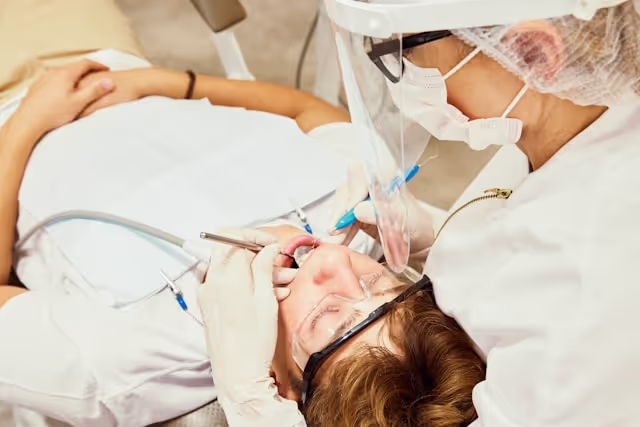
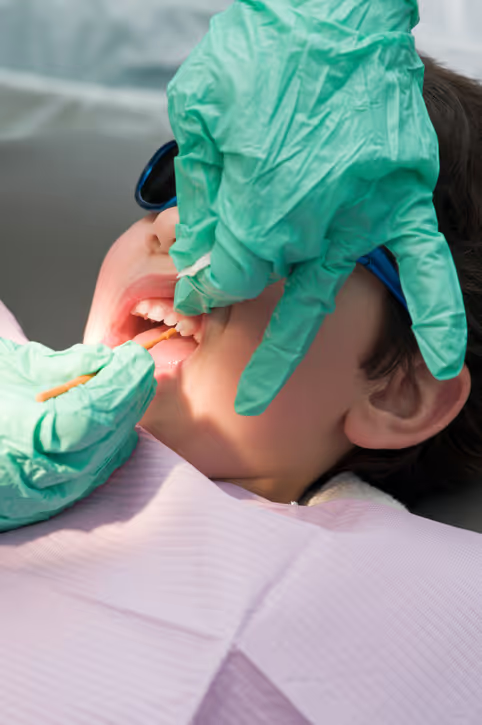
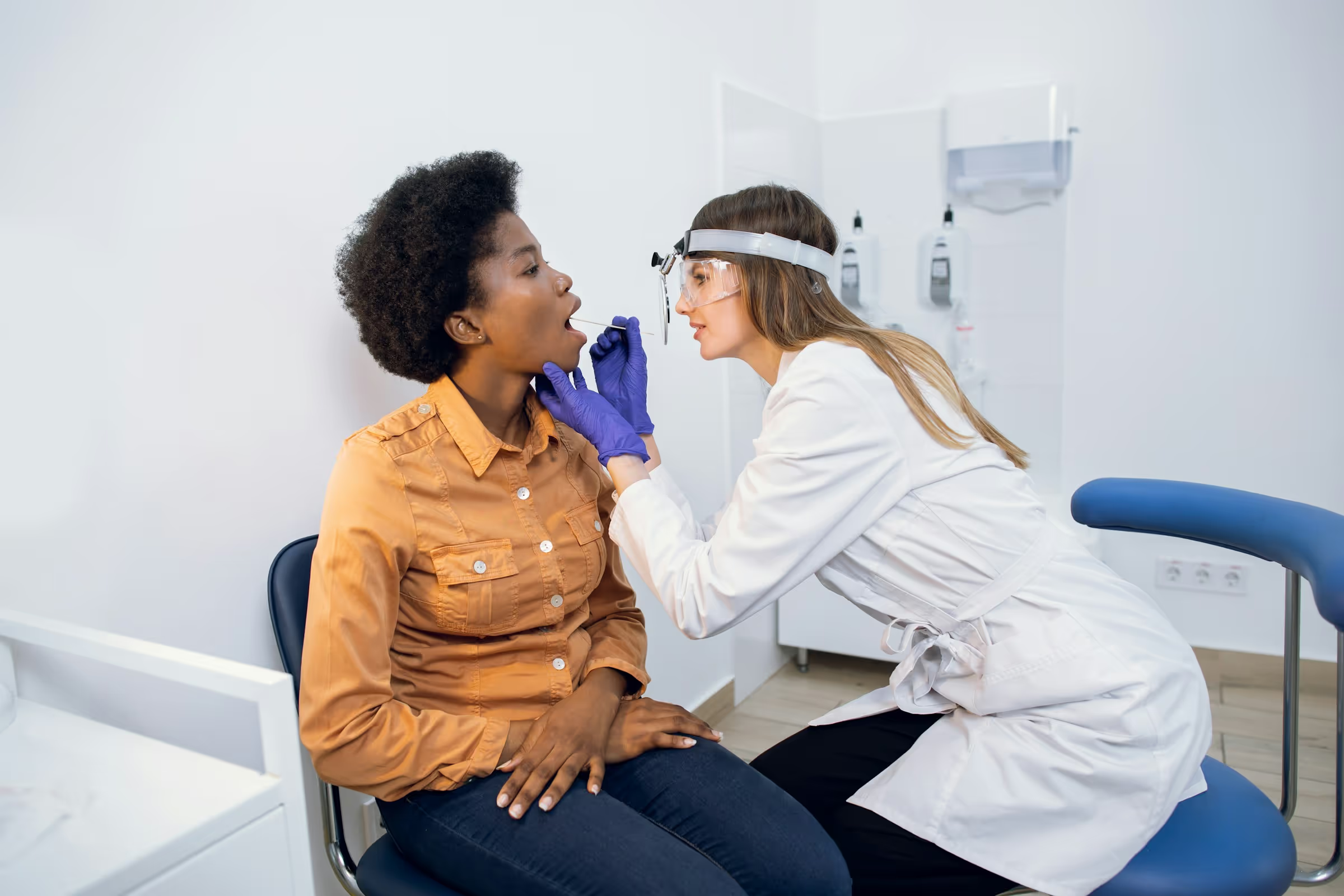
Oral cancer screening is a straightforward, non-invasive procedure that can be seamlessly integrated into your regular dental check-ups. Here's what you can expect during a screening:
1. Comprehensive Examination
Your dentist will perform a thorough examination of your mouth, looking for any abnormalities. This includes:
- Visual Inspection: Checking the lips, tongue, inner cheeks, and throat for unusual lumps, discolorations, or sores.
- Physical Examination: Feeling the gums, jaw, and neck for any irregularities or swollen lymph nodes.
2. Use of Advanced Tools
While most screenings rely on visual and tactile examinations, some dental offices may utilize adjunctive tools to enhance detection:
- Toluidine Blue Stain: A dye applied to oral tissues that stains abnormal cells.
- Brush Biopsy: Collects cells from suspicious areas for laboratory analysis.
- Light-based Detection Devices: Tools like VELscope use specific light wavelengths to identify abnormal tissues.
3. Risk Assessment
Discussing your medical history, lifestyle habits, and potential risk factors helps your dentist tailor the screening process and determine the need for further testing.
Signs and Symptoms to Watch For
While routine screenings are invaluable, being aware of symptoms that may warrant immediate attention is equally important:
- Persistent Mouth Sores: Sores that do not heal within two weeks.
- Lumps or Thickening: Particularly on the gums, tongue, or floor of the mouth.
- Red or White Patches: Unexplained changes in oral tissues.
- Difficulty Swallowing or Chewing: Persistent discomfort or pain.
- Numbness: In any part of the mouth or lips.
- Chronic Bad Breath: Persistent halitosis without an obvious cause.
- Ear Pain: Unexplained pain in the ear without ear infections.
Benefits of Early Detection
Detecting oral cancer in its nascent stages offers numerous advantages:
- Higher Survival Rates: Early-stage cancers are more responsive to treatment.
- Less Invasive Treatments: Options may include localized surgery or radiation, minimizing long-term side effects.
- Enhanced Quality of Life: Preserving oral functions like speaking and eating.
- Reduced Treatment Costs: Early intervention typically involves less extensive and less costly treatments.
Preparing for Your Oral Cancer Screening
While oral cancer screenings are generally painless and require no special preparation, certain steps can help ensure the process is smooth and effective:
- Maintain Good Oral Hygiene: Regular brushing and flossing can help your dentist spot abnormalities more easily.
- Avoid Eating Right Beforeward: To allow a more accurate examination of your oral tissues.
- Provide Comprehensive Medical History: Inform your dentist about any medications, past surgeries, or health conditions.
- List Lifestyle Habits: Including tobacco use, alcohol consumption, and sexual history related to HPV exposure.
Frequently Asked Questions
1. How Often Should I Get an Oral Cancer Screening?
Most dental professionals recommend that oral cancer screenings be part of your routine dental check-ups, typically every six months to a year, depending on your risk factors.
2. Is Oral Cancer Screening Covered by Insurance?
Many dental insurance plans cover oral cancer screenings as part of preventive dental care. It's advisable to check with your provider for specific coverage details.
3. What Happens If an Abnormality is Detected?
If your dentist identifies any suspicious areas, further evaluation may be necessary. This could involve a biopsy, imaging studies, or referral to a specialist for comprehensive diagnosis and treatment.
4. Can Oral Cancer Screening Prevent Cancer?
While screenings themselves don't prevent cancer, they play a crucial role in early detection, which can lead to timely treatment and significantly improve outcomes.
Taking Control of Your Oral Health
Oral cancer screening is a vital component of comprehensive dental care. By incorporating regular screenings into your dental routine, you're not only maintaining your oral hygiene but also proactively safeguarding your overall health.
Don't wait for symptoms to appear. Schedule your oral cancer screening today and take a decisive step towards a healthier, cancer-free future.
Final Thoughts
Oral cancer screening is an indispensable tool in the fight against a potentially life-threatening disease. Its non-invasive nature, coupled with the profound benefits of early detection, makes it a critical aspect of dental health care. At our office, we prioritize your well-being by ensuring that every visit includes a thorough examination to detect any signs of oral cancer promptly.
Empower yourself with knowledge, maintain regular dental check-ups, and embrace proactive health measures. Your smile is not just a reflection of your oral health but a testament to your overall vitality. Let us help you keep it bright and healthy for years to come.
Ready for Oral Cancer Screening?
Schedule online or call us at 619-574-0205.